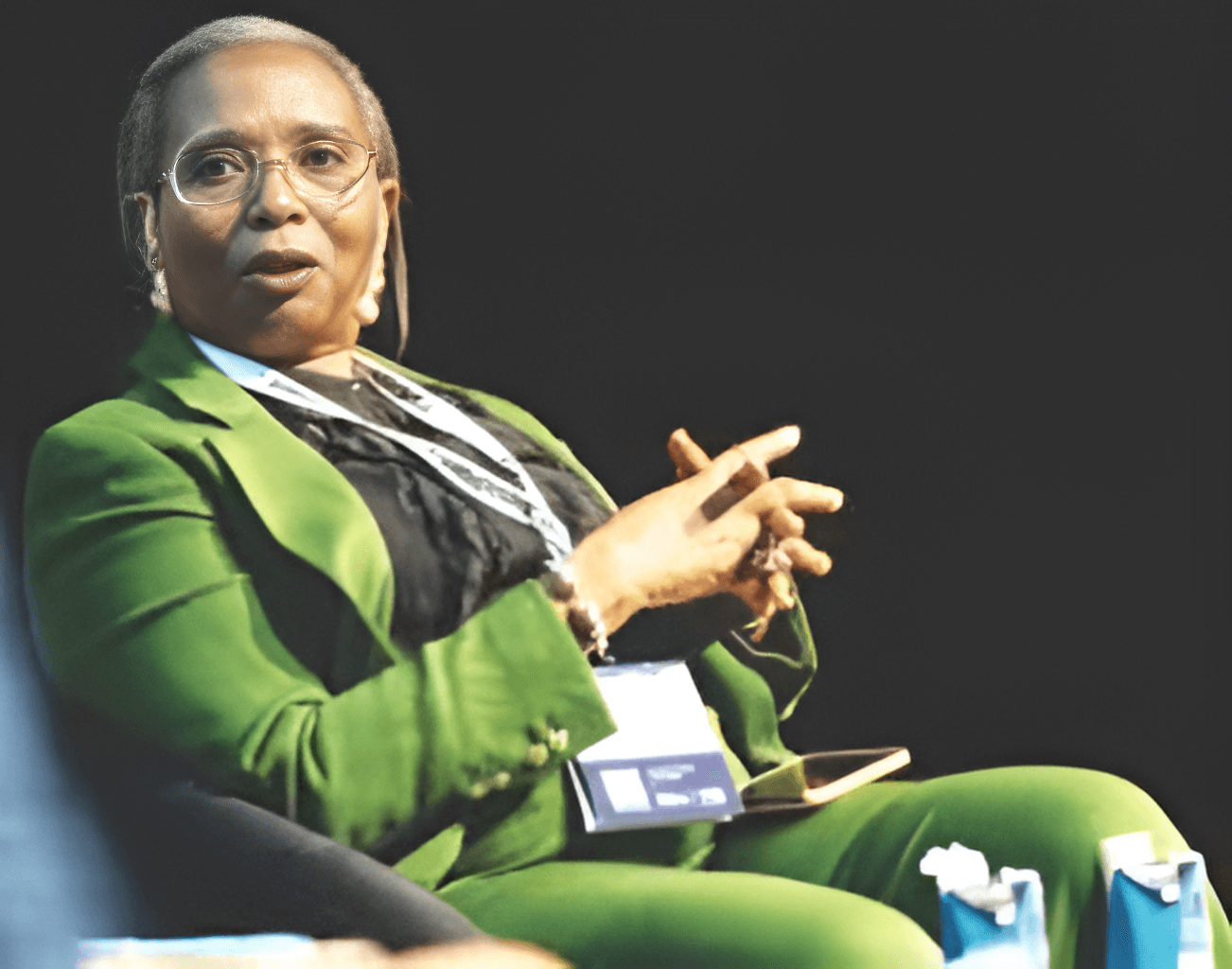
"I am not a man, and I have never tried to be one. You can never be better than a man at being a man. The best you will always be is the best of yourself."
- Mrs. Ibukun Awosika
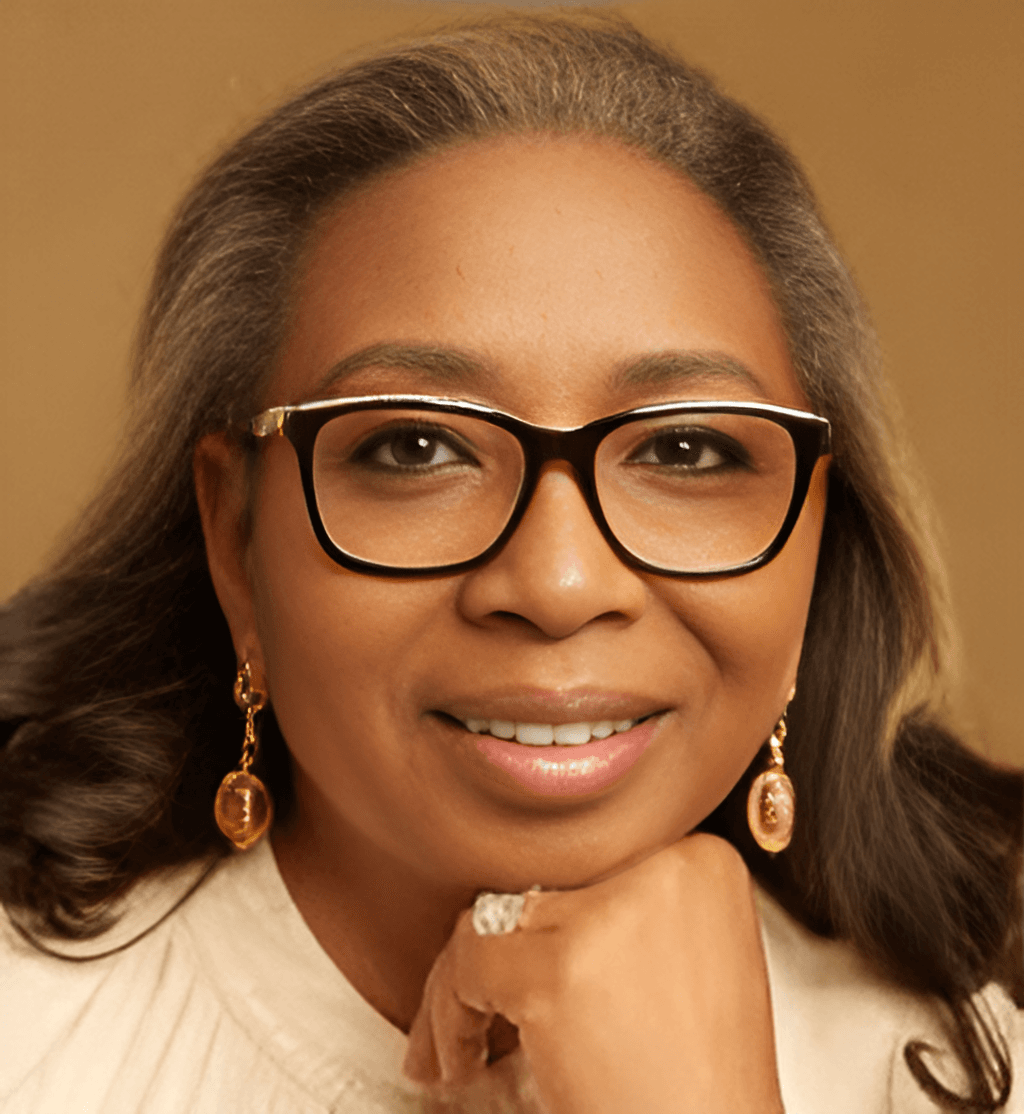
About Mrs. Ibukun Awosika
I have learned that life does not announce its turning points. They arrive quietly, shaped by ordinary days, steady decisions, and responsibilities accepted before their full weight is understood. Looking back, my journey has been defined less by singular moments and more by consistency, the choice to show up, to learn continuously, to do the work even when it was demanding, and to carry responsibility with intention.
I did not begin with a desire for recognition or public influence. I simply wanted to build something that worked, something rooted in honesty and value. Like many entrepreneurs, I started with limited resources but a deep commitment to excellence. Along the way, I learned that business is not sustained by ideas alone, but by discipline, the right systems, the right people, patience with timing, and the humility to keep learning as the work evolves.
In time, my path led me into spaces where decisions were made at scale, boardrooms where leadership carried consequence and presence mattered as much as voice. Being a woman in those rooms demanded more than skill; it required clarity, emotional intelligence, and a grounded sense of self. Leadership allows no shortcuts. Sooner or later, preparation, character, and competence always speak for themselves.
Foundation
Mrs. Ibukun Awosika's life and leadership are rooted in a foundation formed long before public recognition or corporate influence. Born on December 24, 1962, in Ibadan, Oyo State, Nigeria, and raised as the third of seven children, she grew up in a home where education, discipline, faith, and responsibility were deeply ingrained. These early influences shaped her worldview and established the principles that continue to guide her decisions, values, and approach to leadership.
Her academic journey began in Lagos and culminated in a degree in Chemistry from the University of Ife (now Obafemi Awolowo University). This scientific training cultivated a respect for structure, process, and thoughtful problem-solving-qualities that later became central to her business philosophy. Following her National Youth Service Corps, her early professional exposure at Akintola Williams & Co. (now Deloitte) further reinforced the importance of corporate discipline, accountability, and professional standards.
Mrs. Awosika's entry into the furniture industry, initially through operational and showroom management roles, provided practical insight into customer needs, operational rigor, and service excellence. These formative experiences shaped her conviction that sustainable success is built not on ideas alone, but on systems, consistency, and people. This belief became the backbone of her entrepreneurial journey, beginning with the founding of Quebees Limited in 1989, later evolving into The Chair Centre Group. Her pursuit of executive education at institutions such as Lagos Business School and IESE Business School reflects a lifelong commitment to learning and leadership development.
Faith and family remain central to her foundation. Her conversion to Christianity as an adult, shortly before marriage, marked a defining personal journey that continues to inform her understanding of leadership as stewardship and influence as responsibility. This conviction extends beyond business into service, reflected in her establishment of the Christian Missionary Fund in the mid-1990s. Married to Mr. Abiodun Awosika and a mother of three, she has consistently balanced enterprise with family life, anchoring her leadership in integrity, care, and purpose. For Mrs. Awosika, discipline and excellence are not professional aspirations alone, they are life principles, formed early and carried deliberately into every sphere of her work.
Work, Leadership & Service
Mrs. Ibukun Awosika's work is best understood not as a sequence of roles, but as the consistent application of her values across business, leadership, and service. In business, her entrepreneurial journey began with the founding of Quebees Limited in 1989, which later evolved into The Chair Centre Group. Under her leadership, the company grew into a respected enterprise known for operational excellence, strong governance, and a people-centered culture. Her work demonstrated that African businesses could compete on quality, structure, and professionalism while remaining deeply grounded in local realities.
Beyond entrepreneurship, Mrs. Awosika's leadership extended into corporate governance and boardroom influence. She has served on the boards of leading organizations across banking, manufacturing, and professional services, including her historic role as the first female Chairman of First Bank of Nigeria. In these leadership spaces, she became known for clarity, courage, and the ability to navigate complex decisions with both strategic insight and emotional intelligence. Her presence in boardrooms consistently challenged conventional assumptions about leadership, particularly regarding women, ethics, and long-term value creation.
Recognition for her work has come through numerous awards and honors, both locally and internationally, reflecting not only commercial success but also impact, integrity, and leadership excellence. Yet, for Mrs. Awosika, recognition has never been the destination. It has served instead as a platform to amplify conversations around responsible leadership, governance, and the importance of character in positions of influence.
In mentoring, teaching, and public engagement, her leadership takes on a more personal dimension. Through books such as The "Girl" Entrepreneurs and The "Girl" in the Boardroom, as well as conferences, leadership programs, and mentorship initiatives, she has invested deeply in developing entrepreneurs, executives, and emerging leaders. Her work in this space bridges practical business frameworks with lessons on discipline, resilience, and self-leadership, equipping individuals to lead effectively in complex environments.
Her pastoral and ministry work is not separate from her professional life; it is an extension of it. As an ordained pastor and founder of the Christian Missionary Fund, Mrs. Awosika views service as a leadership responsibility. Whether in business, boardrooms, or ministry, the principle remains the same: leadership exists to serve, to build, and to leave people and institutions stronger than they were found. In her life’s work, enterprise, influence, and faith are not competing identities, but aligned expressions of purpose.
Life, Purpose & Legacy
Beyond titles and public platforms, Mrs. Ibukun Awosika's life is anchored in family, faith, and a deep sense of responsibility for the influence she carries. She is married to Mr. Abiodun Awosika, and together they have raised three children. Family has never been peripheral to her work; it has been a constant reference point. The discipline required to lead organizations, the patience demanded in mentorship, and the humility necessary for service are first practiced at home, where leadership is lived quietly and consistently.
Balancing leadership and family has shaped her understanding of success. For Mrs. Awosika, achievement is not measured by visibility alone, but by alignment, the ability to build, lead, and serve without losing one’s values, relationships, or sense of self. She has often emphasized that leadership begins with self-mastery: knowing when to advance, when to pause, and when to prioritize presence over performance.
Her philosophy of womanhood and leadership is rooted in clarity rather than comparison. She believes women must lead from competence, character, and conviction, not permission. Whether in boardrooms, businesses, or ministry, she advocates for women to develop capacity, emotional intelligence, and confidence, understanding that influence is sustained not by position, but by credibility. Her work consistently reinforces the idea that strength and grace are not opposites, and that authority, when rightly exercised, creates space for others to grow.
Purpose, for Mrs. Awosika, is lived forward. Her vision extends beyond personal success to the cultivation of leaders who think ethically, build responsibly, and serve intentionally. Through mentorship, teaching, and service, she continues to invest in individuals and institutions that will outlast her direct involvement. What she hopes to leave behind is not a name alone, but a standard of excellence, integrity, and leadership anchored in purpose.
Her legacy is being written not only in companies built or roles held, but in lives shaped, leaders formed, and values passed on. It is a legacy defined by service, stewardship, and the quiet confidence of a life lived with intention.